Stéphanie Pommeret2026
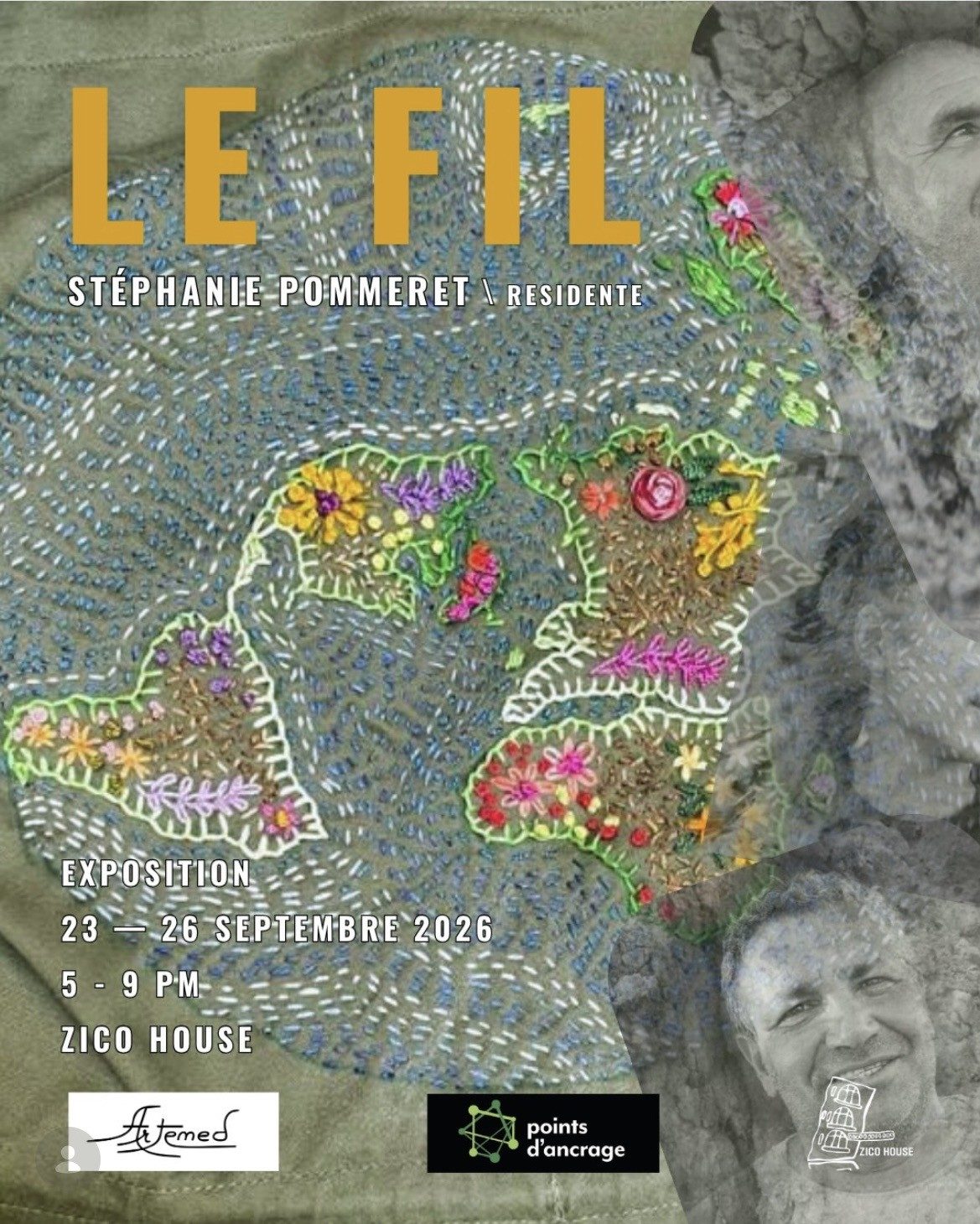
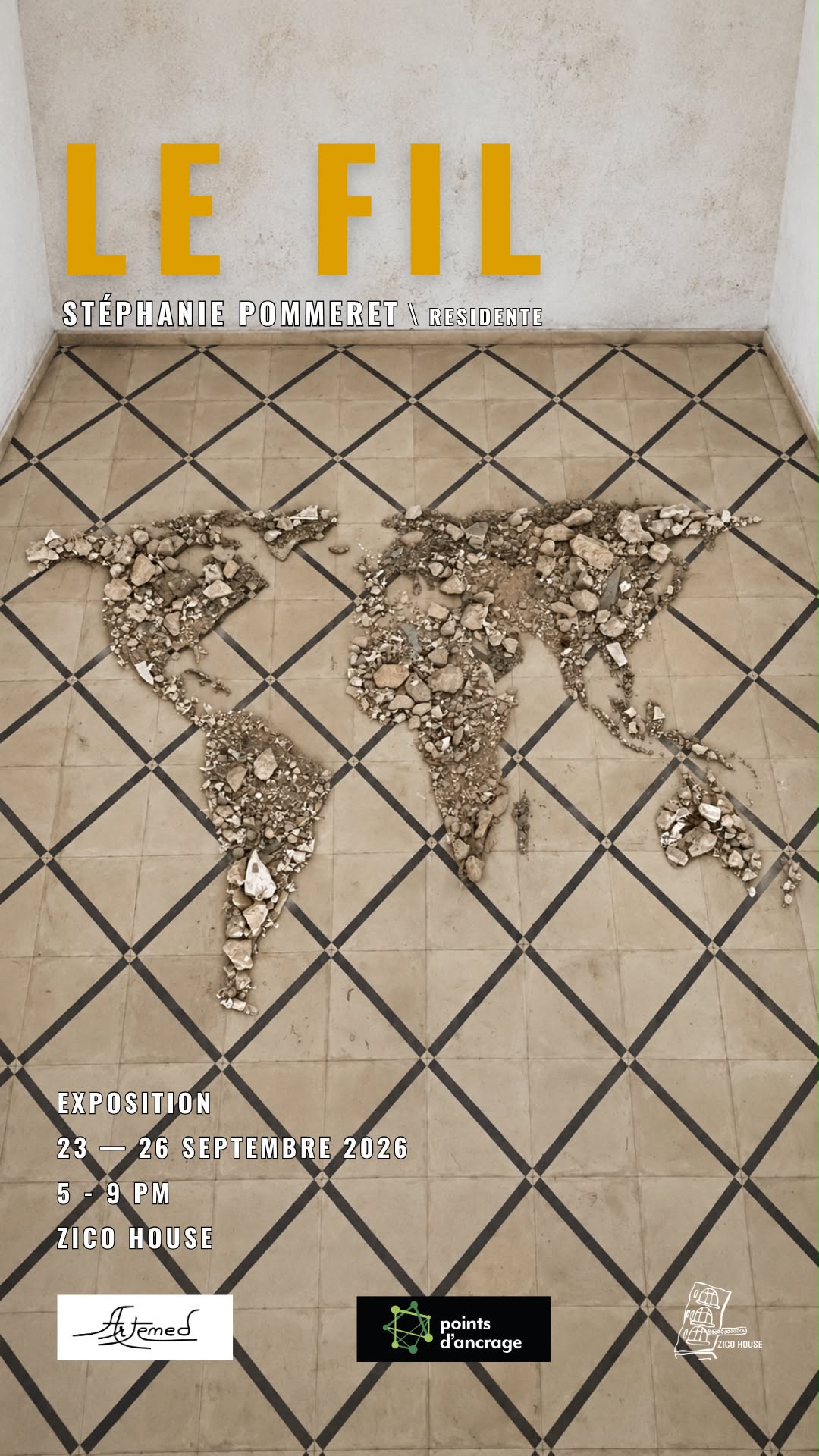
Le Fil exhibition
23 to 26 September 2026, 5 to 9 pm
Zico House - 174 Spears Street - Beirut
ZICO HOUSE
Independent cultural centre
Director: Moustapha Yamout
174 Spears Street - Sanayeh
Beirut - Lebanon
tel. +961 (0)3 810 688
Artist residency at Zico House, supported by ARTEMED
Questions for Stéphanie Pommeret
- What did you present at Zico House?
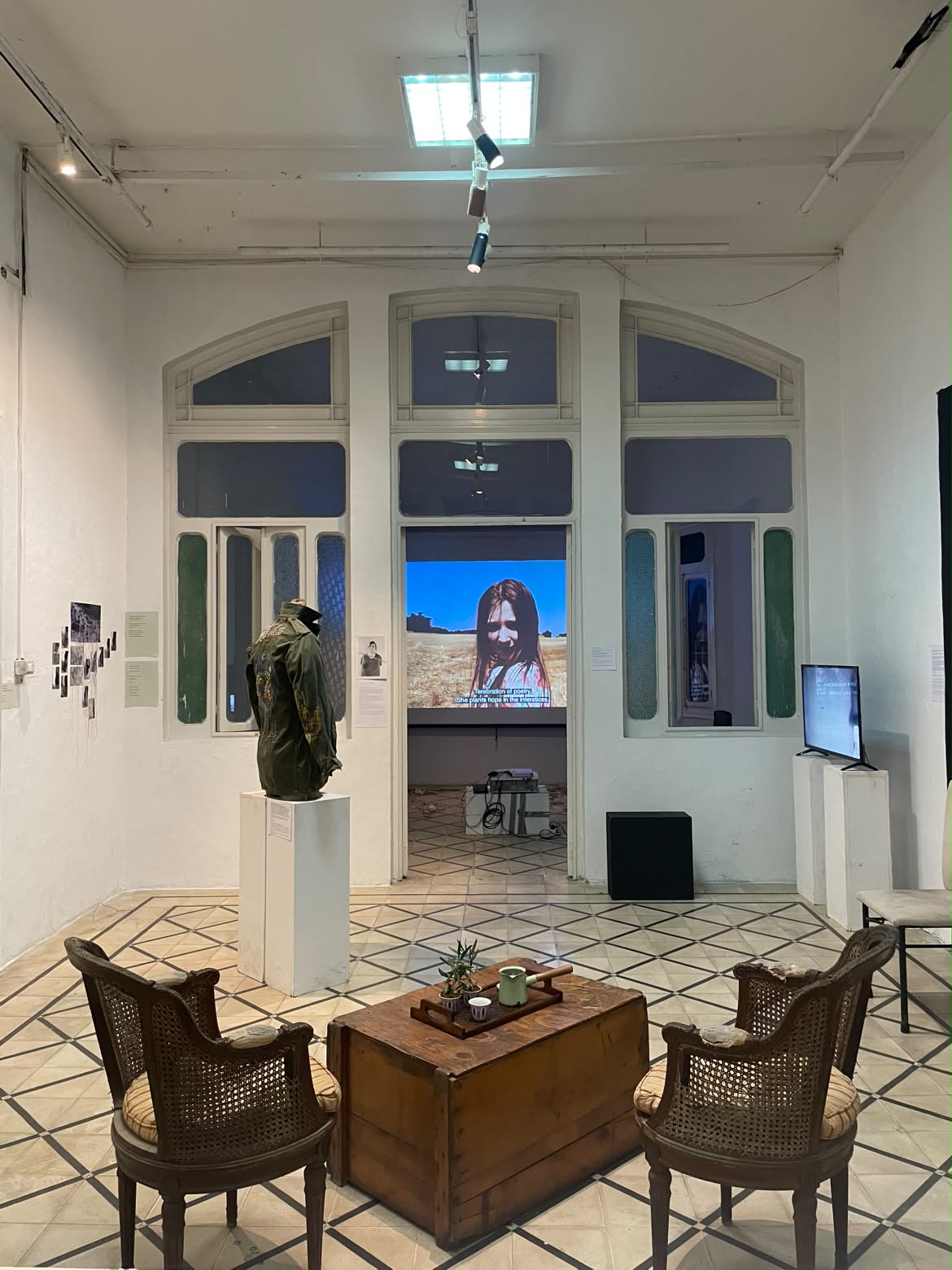
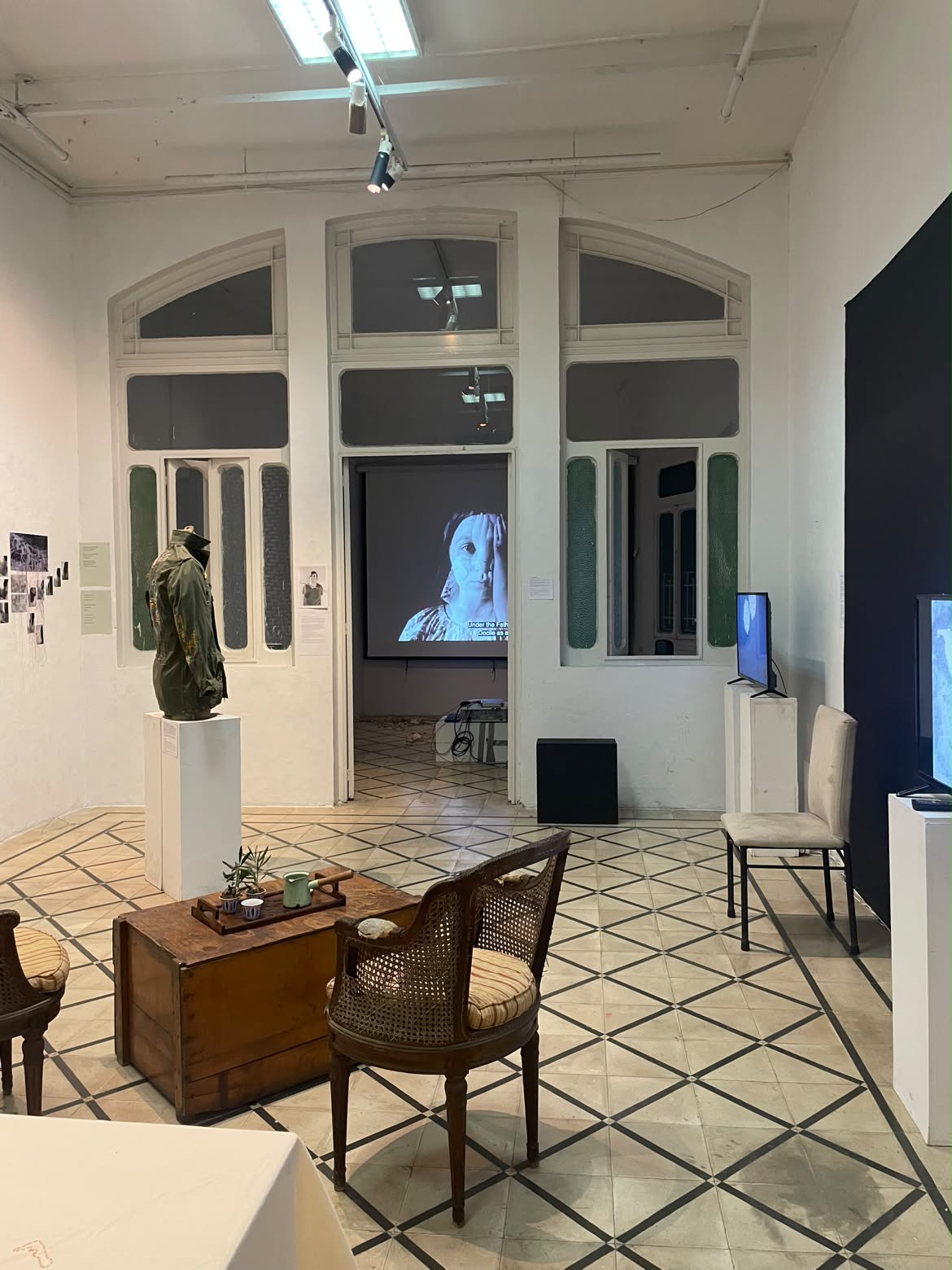
Le Fil (The Thread) exhibition — Stéphanie Pommeret (23 to 26 September 2026)
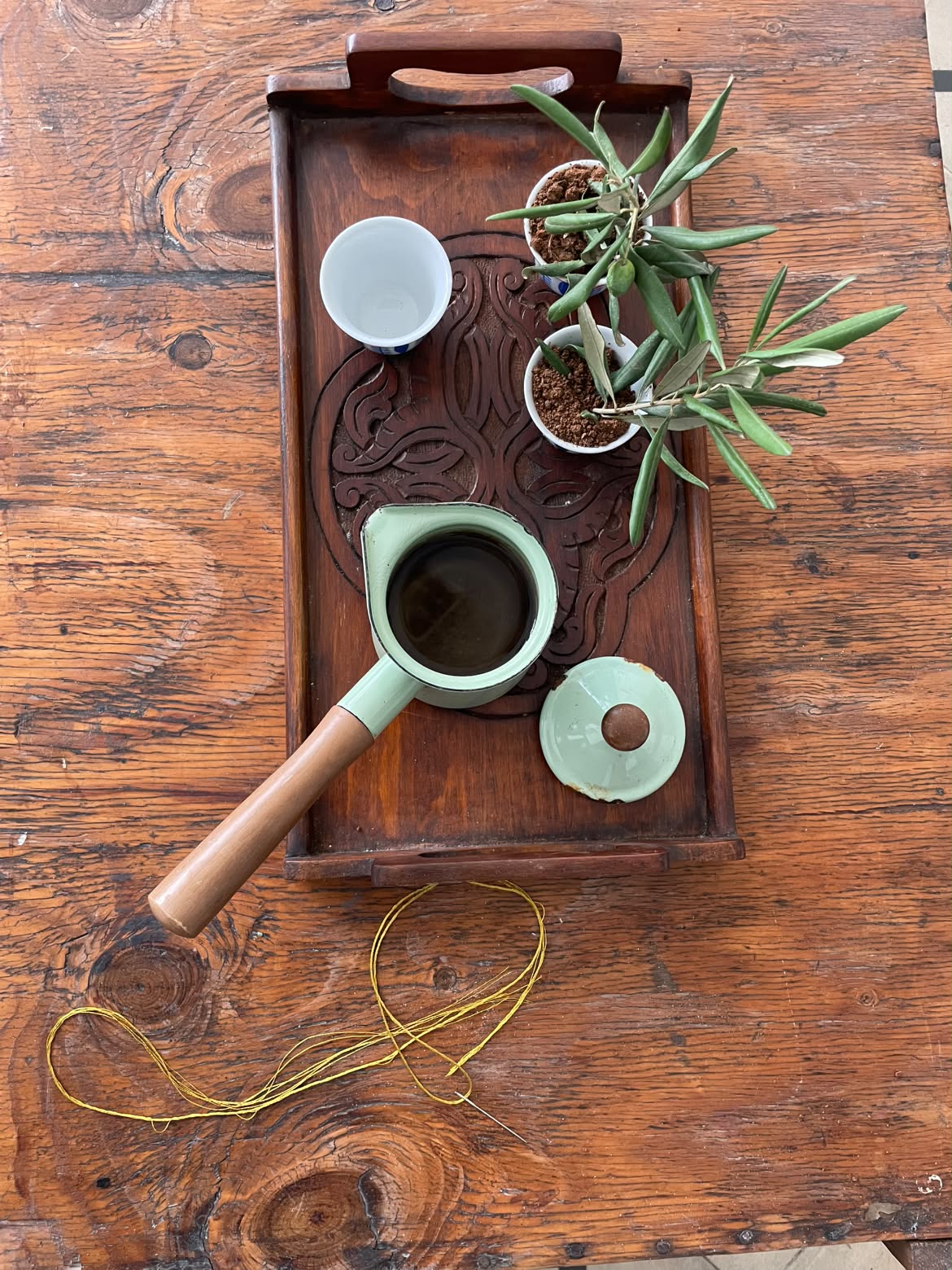
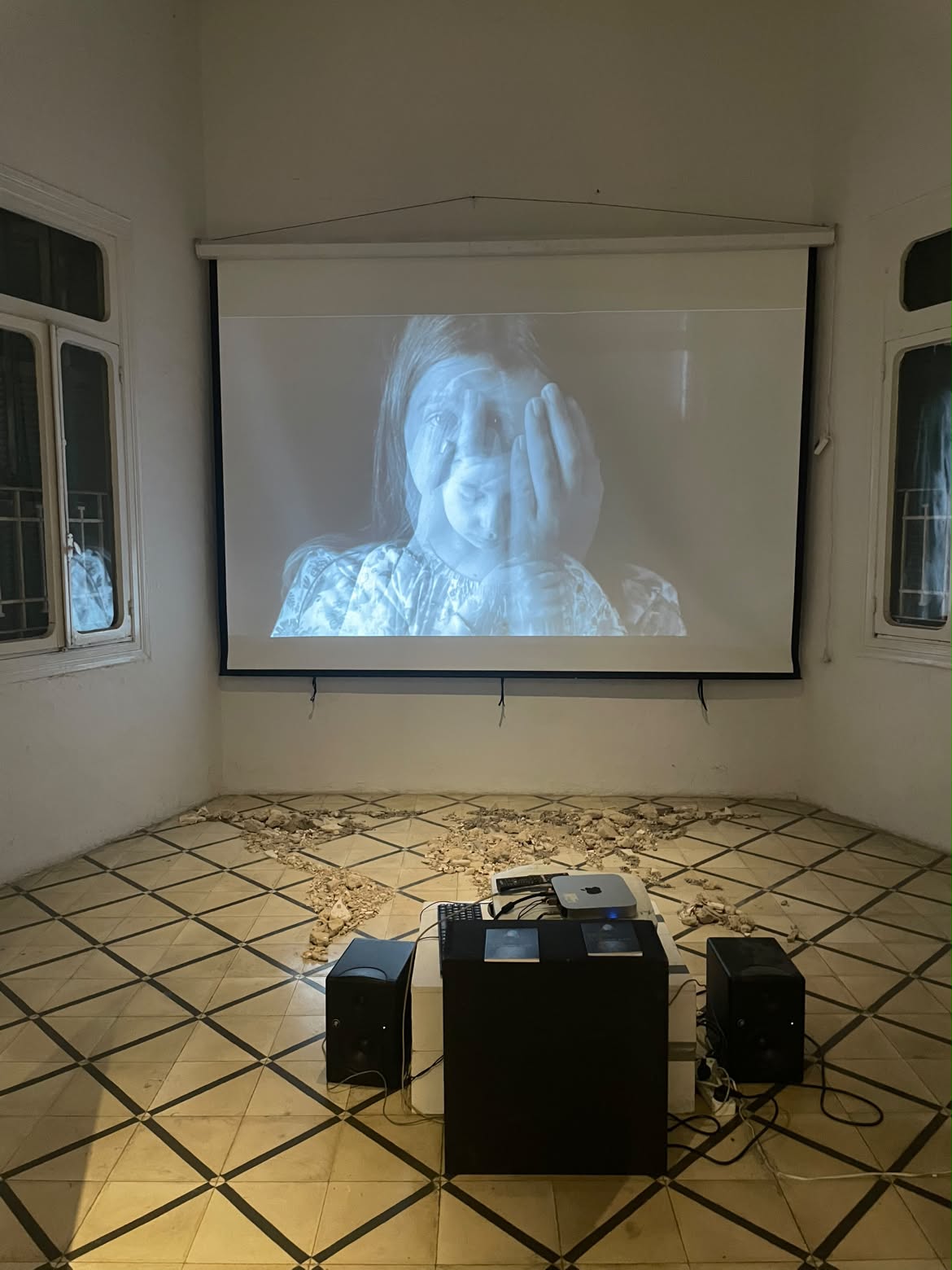
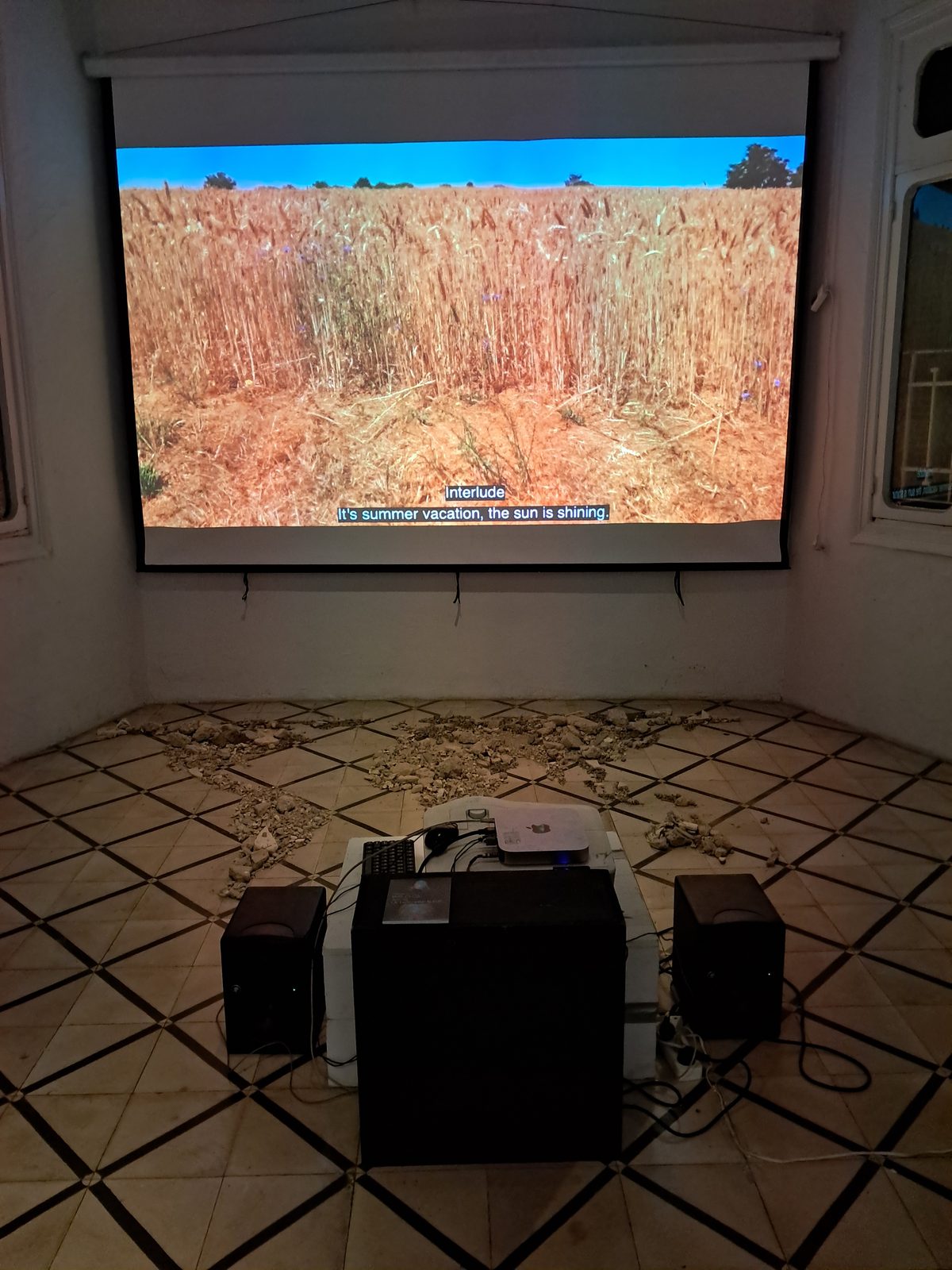
Arising from the artist residency supported by ArtémedIn this exhibition marking the culmination of my residency, I presented a series of multidisciplinary works (photography, textile art, installation, video and poetry) built on a sober, poetic economy of means. Through the motif of the thread — used both as a material and as a metaphor for connecting, passing on and mending — my approach seeks to deconstruct forms of domination and to bring the intimate into dialogue with Beirut’s collective memory:
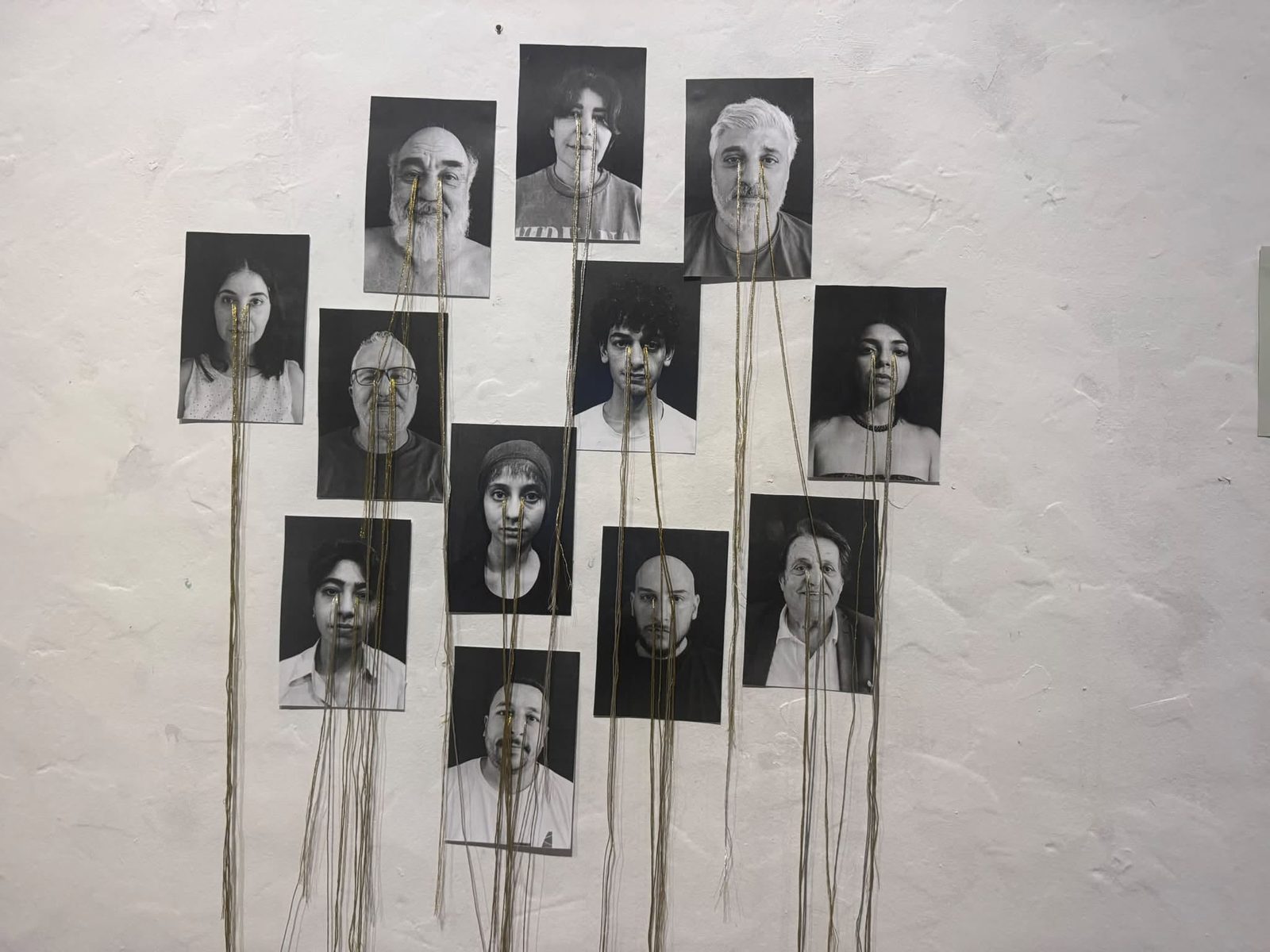
- LES RIVAGES (The Shores) — Portraits of Beirut’s fishermen: a photographic tribute to these men who resist property-development pressure on the last accessible fragments of the coastline.
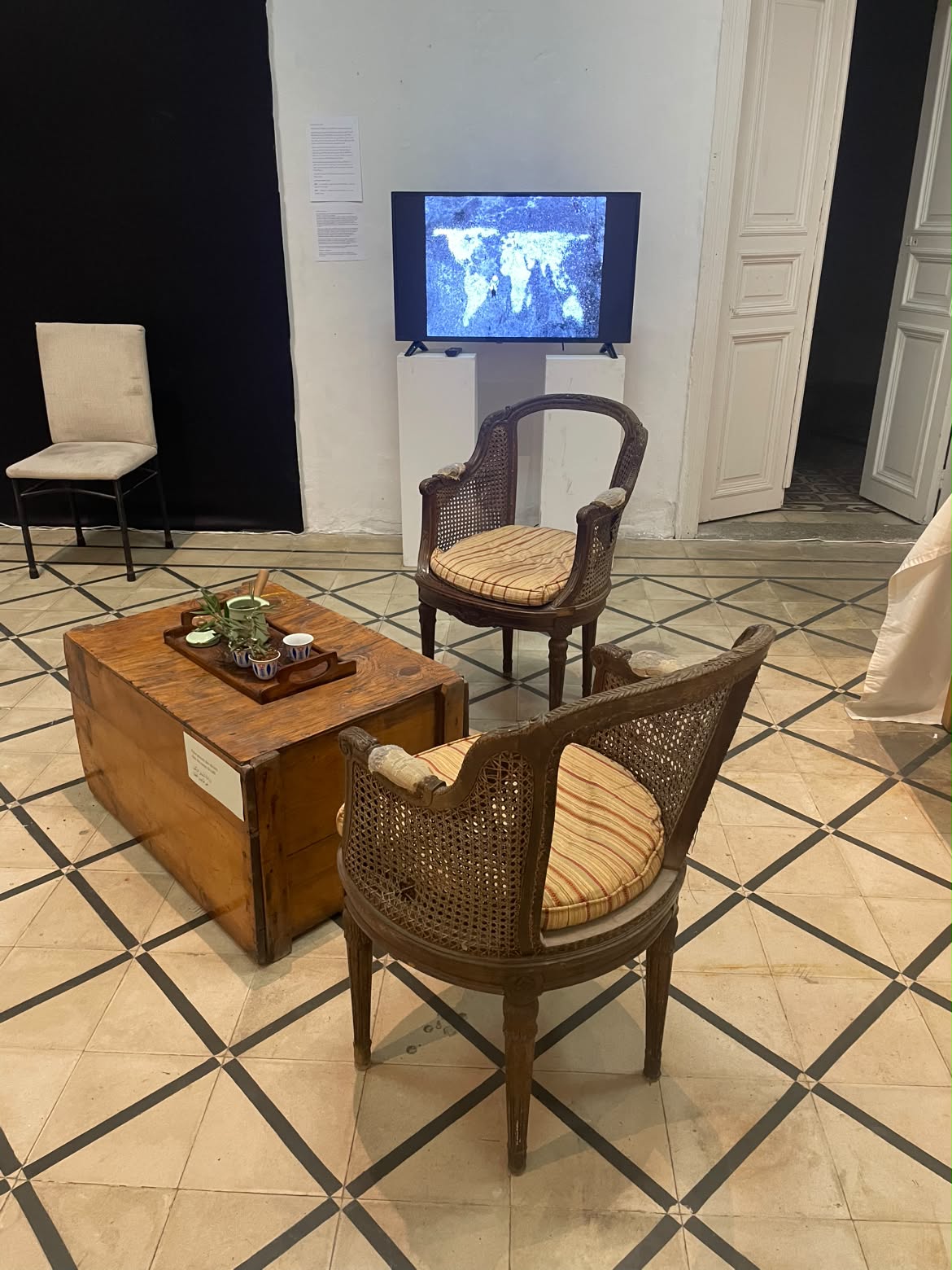
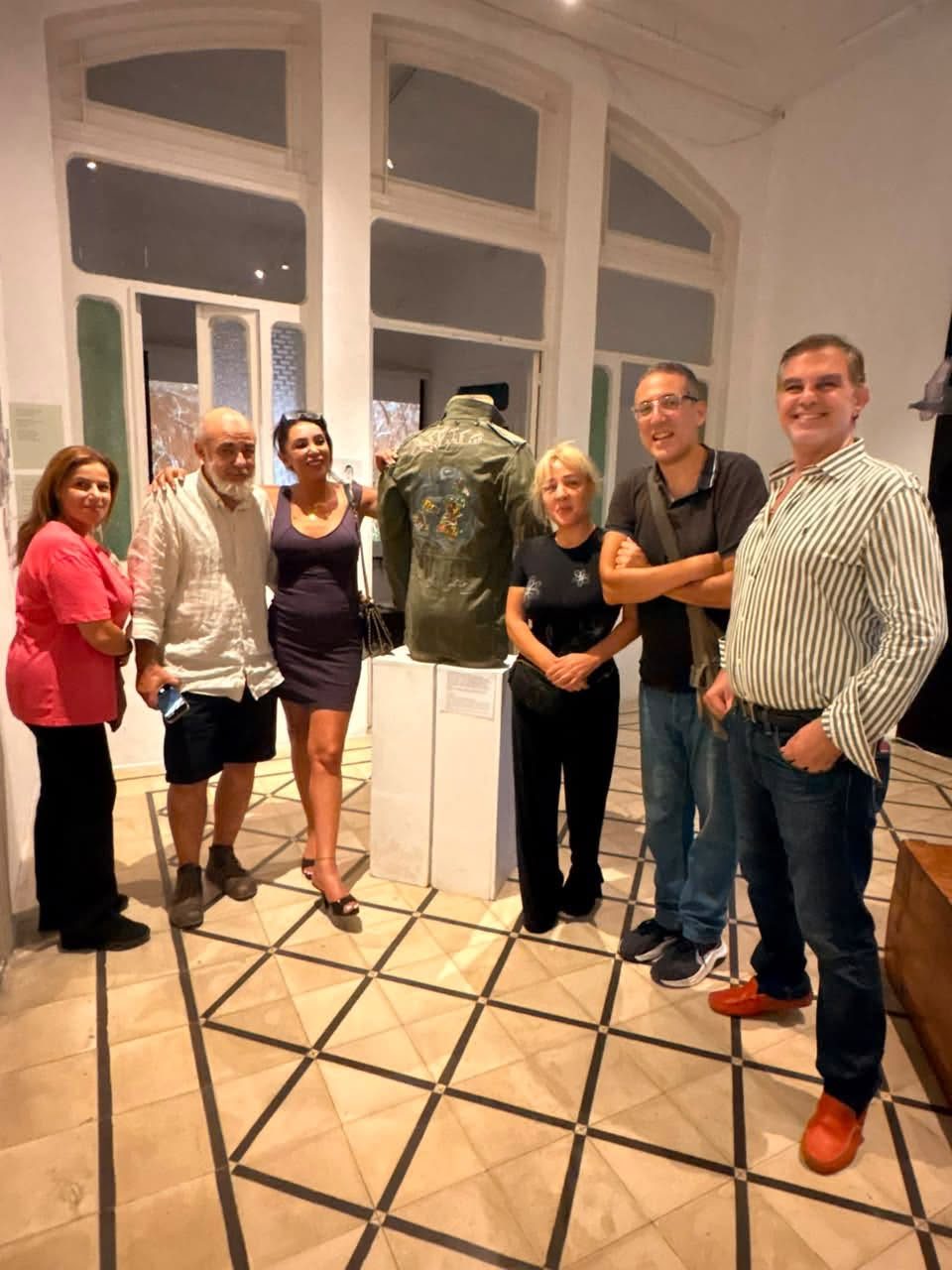
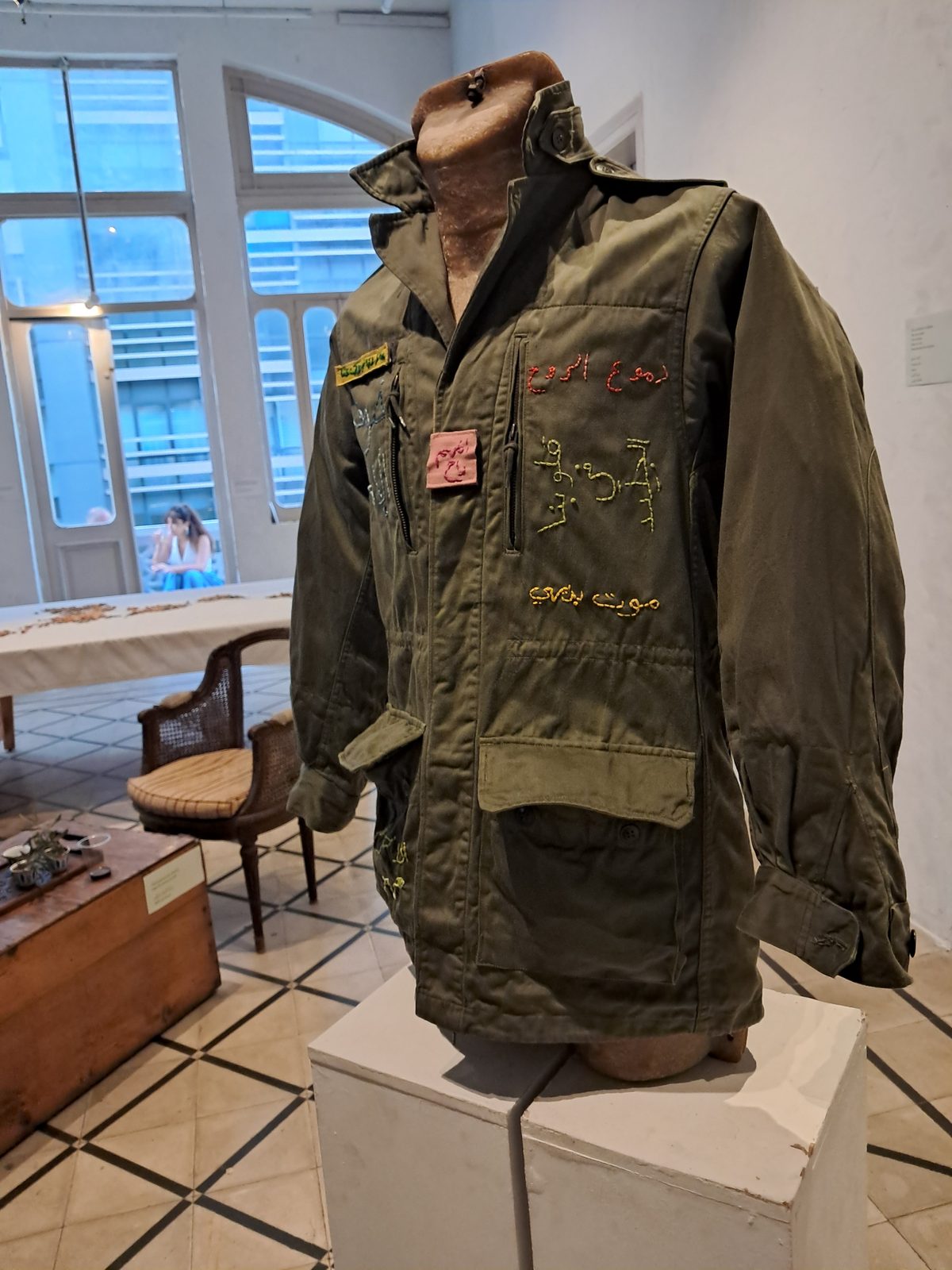
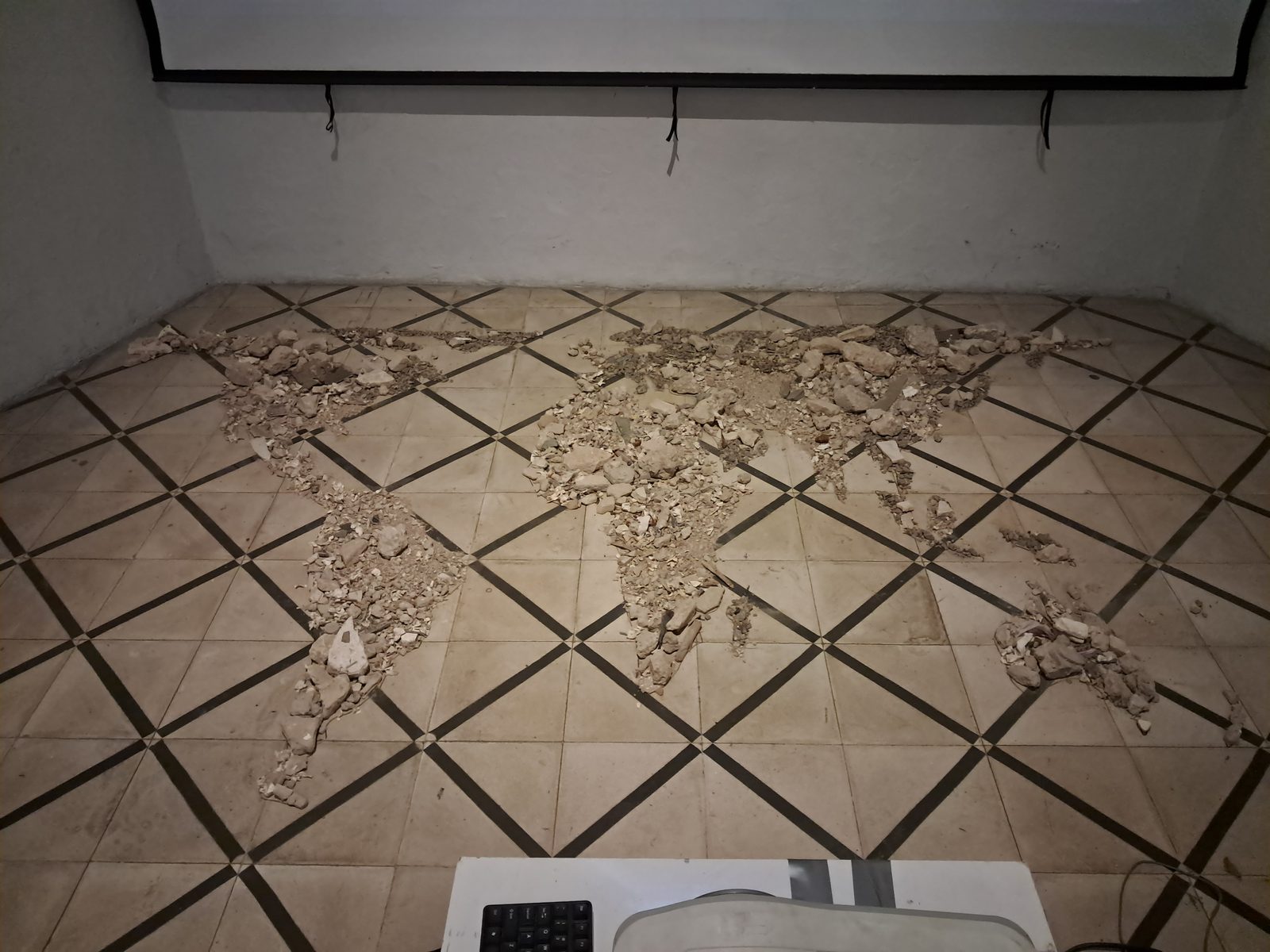
- Veste militaire française / Projection Atlantis (French military jacket / Atlantis projection): cartographic embroidery on a salvaged jacket, enriched by Beirut residents who stitched words, memories and fragments in Arabic onto it.
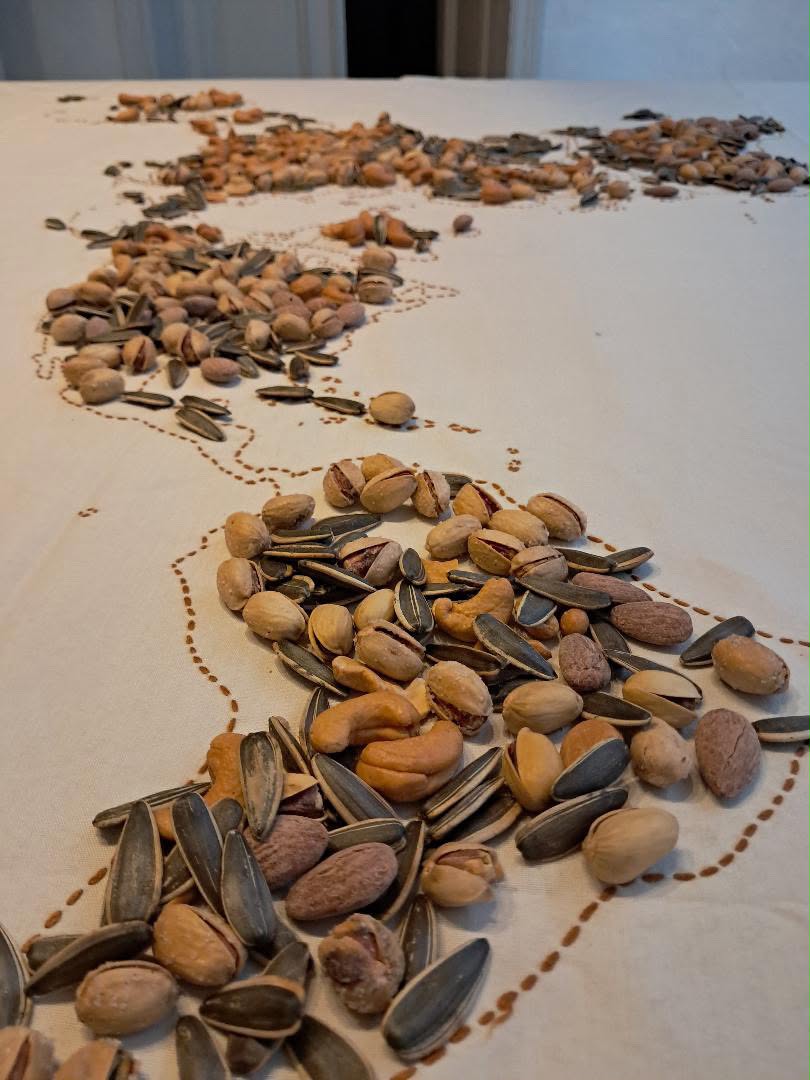
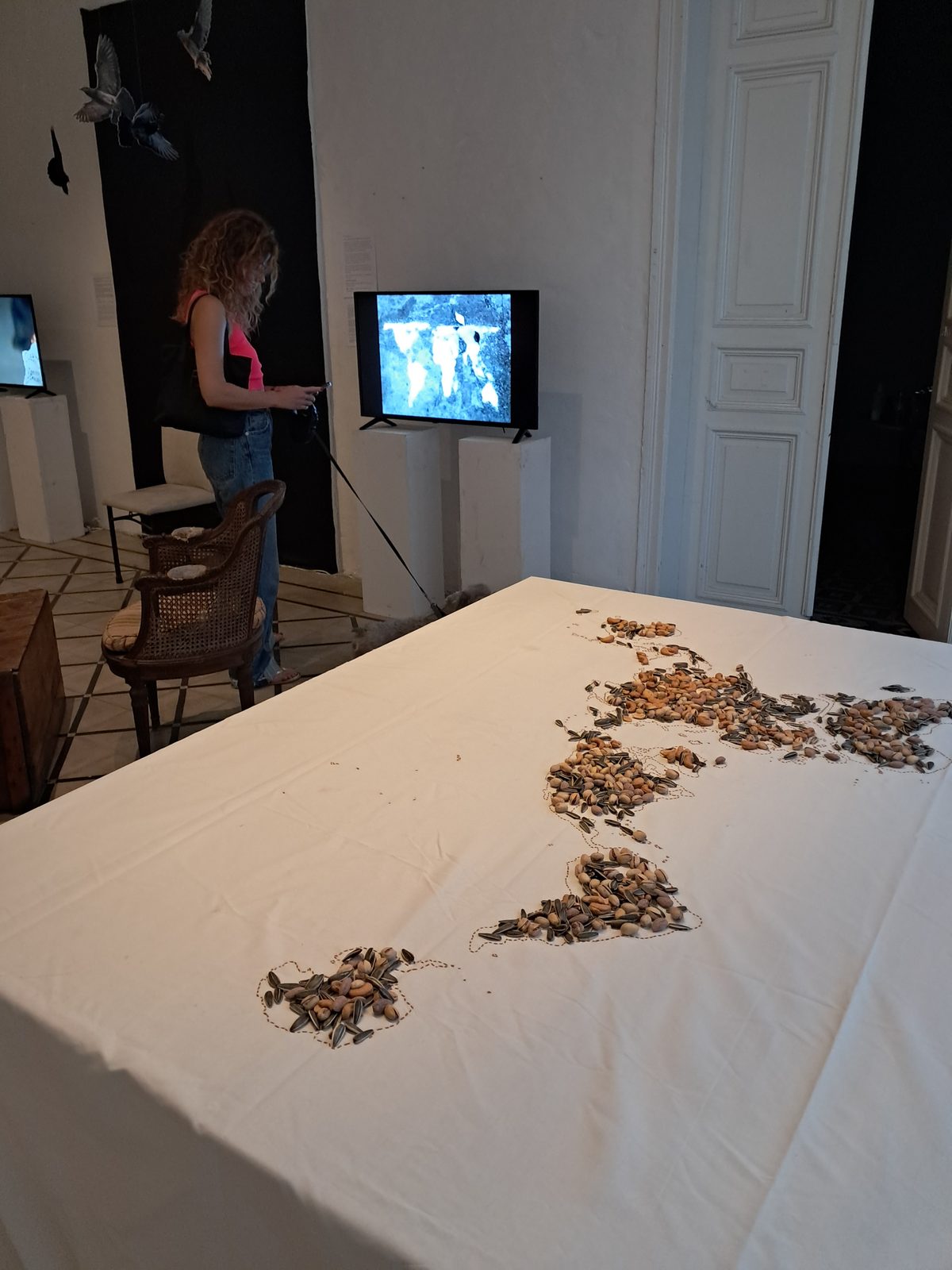
- Tasting performance: a convivial sharing around a tablecloth embroidered after Buckminster Fuller’s projection, inviting people to savour seeds together, the way birds do.
- La Chaise (The Chair): the painstaking repair, with cotton thread, of a broken chair found on my arrival, raised into a symbol of resilience.
- Les Larmes de l’âme (Tears of the Soul): a photographic series born of the emotion stirred by the traces of History in the city.
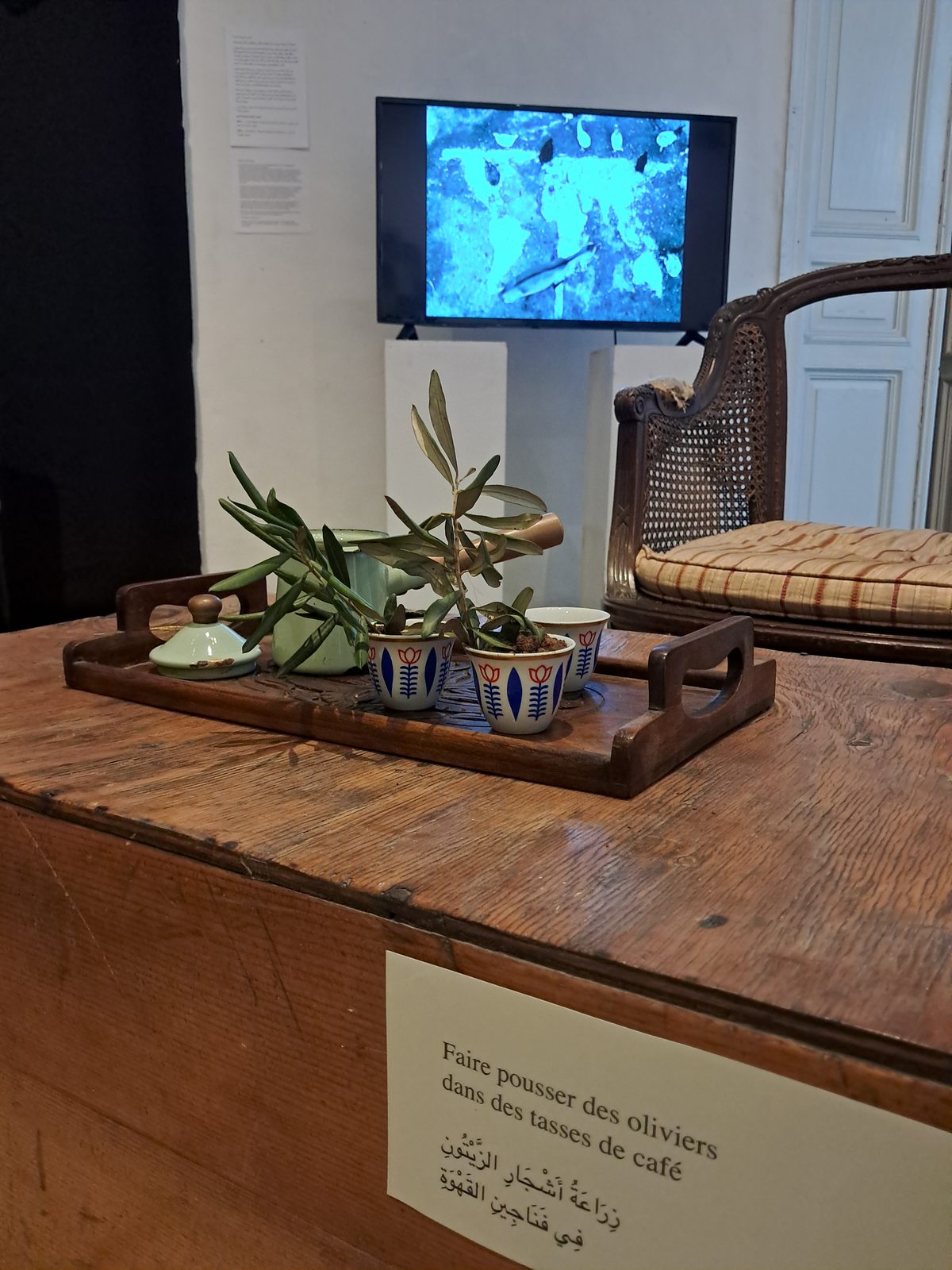
- Faire pousser des oliviers dans des tasses de café (Growing olive trees in coffee cups): a poetic installation embodying the energy and vitality of the Lebanese people.
- What do you think of Zico House?
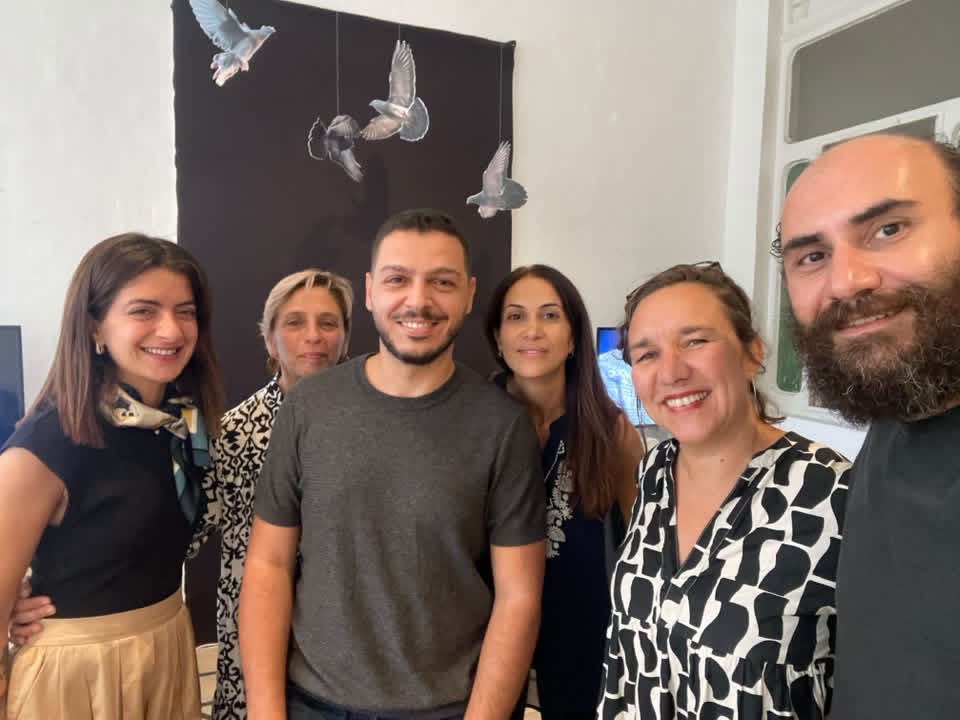
Zico House proved to be an extraordinary place of welcome, teeming with life and particularly stimulating. Carrying out this residency there and showing my whole body of work was a memorable experience: I felt fully welcomed and supported, and was given complete creative freedom.
It is a privileged space for exchange with a multitude of artists and players on the local cultural scene. The immersion is constant: exhibitions, concerts and plays make it possible to grasp the full artistic energy of Beirut. Beyond the visual arts, this “third place” is a real bridge for meeting local residents and understanding the realities of the area.
Zico played a decisive role: I had no contacts when I arrived in Lebanon, and his warm welcome and reassuring presence immediately gave me the confidence to create with complete peace of mind. Thanks to him, I was able to discover a large part of the country, from the coast to the mountains. Zico also introduced me to key institutional and cultural players, notably the Institut Français. These connections pave the way for my wish to return to Lebanon soon with a new collaborative project with the Lebanese documentary filmmaker Dahlia Fathallah.
- What did you enjoy in Lebanon?
Lebanon won me over with the richness and diversity of its landscapes, but above all it was the human warmth and the quality of the welcome that touched me deeply. The resilience and energy of its people, and the generosity of the exchanges, marked every stage of my stay.
- What shocked or disappointed you?
Some environmental, social and infrastructural aspects did, however, strike me:
- Everyday constraints: the precariousness of essential services is a real ordeal. Being unable to drink tap water from day to day, and the complicated management of electricity – very expensive and beset by serious supply problems – show how hard everyday life is for residents.
- Environmental pollution: the visual and ecological impact of plastic pollution remains striking, especially the profusion of used water bottles caused by the lack of access to drinking water.
- Access to public space: I was surprised by the restrictions on access to the coastline: it is a pity that it is difficult for a woman to swim freely and at no cost along the whole coast.
Photos